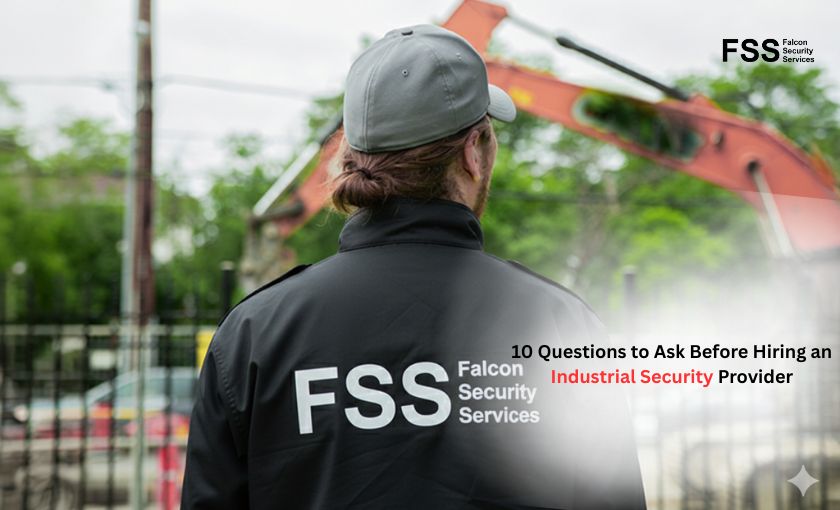
Industrial facilities across Canada face security risks that go far beyond what standard guards can manage. Theft, trespassing, equipment damage, safety hazards, and operational disruptions happen quickly in environments filled with heavy machinery, high-value assets, hazardous materials, and round-the-clock activity. Choosing the right industrial security provider is one of the most important decisions a site manager can make.
Here is a simple, easy-to-read guide with 10 critical questions that help determine whether a provider is qualified to protect an industrial zone effectively.
1. Do They Have Experience With Industrial Environments?
Industrial security demands specialized knowledge. Before hiring a provider, confirm their experience with:
- Factories
- Warehouses
- Distribution centres
- Manufacturing plants
- Energy sites
- Construction zones
- Transportation hubs
Experienced providers understand real industrial risks like blind-spot intrusion, copper theft, equipment tampering, and nighttime trespassing. Falcon Security delivers solutions built around these unique challenges.
2. What Training Do Their Guards Receive?
Regular guards may know basic patrol and access control, although industrial sites require enhanced training such as:
- Hazard awareness
- Equipment safety protocols
- Emergency shutdown procedures
- Incident reporting
- Conflict management
- WHMIS knowledge
- Understanding high-risk zones (loading docks, machinery lines, chemical storage)
Ask for details about training length, curriculum, refresher schedules, and certifications.
3. Are Their Guards Licensed and Approved by Provincial Authorities?
Always confirm the provider is legally authorized to deliver security services. In Ontario for example, companies must be approved under the Private Security & Investigative Services Act. Falcon Security is fully licensed, approved, and compliant—ensuring guards meet strict legal standards.
4. Do They Offer 24/7 Coverage and Emergency Response?
Industrial crime often occurs when activity is low which includes overnight shifts, early mornings, weekends, and holidays. Strong providers offer:
- Around-the-clock patrols
- Rapid response units
- Real-time communication
- Incident escalation procedures
- Backup coverage for emergencies
This ensures your site is never left vulnerable.
5. How Do They Handle Access Control and Visitor Verification?
Improper access is one of the biggest risks in industrial zones. Ask how the provider manages:
- Gatehouse operations
- Contractor verification
- Driver check-ins
- Delivery logs
- Badge systems
- Restricted-area approvals
Trained guards help prevent unauthorized entry which protects assets and reduces liability.
6. Do They Provide Mobile Patrol Services?
Mobile patrols allow guards to cover large industrial zones efficiently. A qualified provider offers:
- Scheduled patrols
- Randomized routes
- Perimeter inspections
- Parking lot checks
- Equipment yard monitoring
- Building lockups
Falcon Security’s mobile patrol units deter theft and vandalism and ensure continued monitoring of large or multi-building sites.
7. What Technology Do They Use to Support Their Guards?
Modern industrial protection is a combination of manpower and technology. Ask about:
- Real-time reporting apps
- Live GPS tracking
- Mobile patrol verification
- Surveillance camera integration
- Digital incident logs
- Alarm system compatibility
Transparent reporting and visible documentation build trust and accountability.
8. Can They Create a Customized Security Plan for Your Site?
Every industrial property has different risks. A good provider never uses a one-size-fits-all approach. Instead they analyze:
- Layout
- Lighting levels
- Vulnerable entry points
- Asset locations
- Existing camera systems
- Shift schedules
- Safety hazards
Falcon Security designs customized strategies that align with operations and maximize protection.
9. How Strong Is Their Communication and Reporting System?
Clear communication prevents small incidents from escalating. Confirm the provider offers:
- Fast alerts when issues occur
- Daily activity reports
- Shift handover documentation
- Maintenance issue notifications
- Accurate incident summaries
Consistent reporting keeps managers informed and demonstrates professionalism.
10. What Makes Them Different From Competitors?
Security companies vary widely in training, experience, technology, and reliability. Ask providers what gives them an advantage such as:
- Advanced industrial training programs
- Reputation and years in service
- High client satisfaction
- Rigorous hiring standards
- Ability to handle emergency disruptions
- Specialized industrial expertise
Falcon Security combines selective recruitment, rigorous training, and real-time support which makes them a trusted choice for high-risk industrial zones.
Conclusion
Hiring the right industrial security provider is essential for protecting assets, workers, and operational continuity. By asking these 10 key questions, managers gain a clear picture of each provider’s capabilities. The goal is not simply finding guards but finding trained industrial security professionals who understand the intensity, hazards, and high-value risks of industrial zones.
Falcon Security Services delivers licensed, trained, and experienced personnel who specialize in industrial protection. With customized strategies, mobile patrols, and 24/7 support they ensure industrial sites remain safe, compliant, and fully protected.
Frequently Asked Questions
- Why do industrial sites need specialized security?
Industrial zones contain expensive equipment, hazardous materials, and high-risk processes which require trained professionals rather than basic guards. - What training should industrial security guards have?
Training should include hazard awareness, WHMIS knowledge, emergency procedures, and industrial-specific protocols. - Are mobile patrols necessary for industrial properties?
Yes because mobile patrols cover large outdoor areas and deter theft, vandalism, and unauthorized entry. - How can I verify a provider’s licensing?
Ask for their provincial security license and confirm approval under relevant regulations. - Do industrial guards handle emergency shutdowns?
Trained guards know how to support emergency response plans and assist during shutdown procedures. - Should security companies provide daily reports?
Yes, reporting is essential for transparency and continuous site monitoring. - Can a provider work in dangerous or restricted zones?
Only if guards are trained and certified for high-risk environments. - How important is 24/7 coverage?
Very important since theft and trespassing often occur at night or during low-activity periods. - Does technology improve industrial security?
Yes, tools like GPS-verified patrols, digital reporting, and surveillance integration enhance protection. - Why choose Falcon Security for industrial sites?
They offer trained guards, advanced reporting tools, customized plans, and real-time support built specifically for high-risk industrial environments.