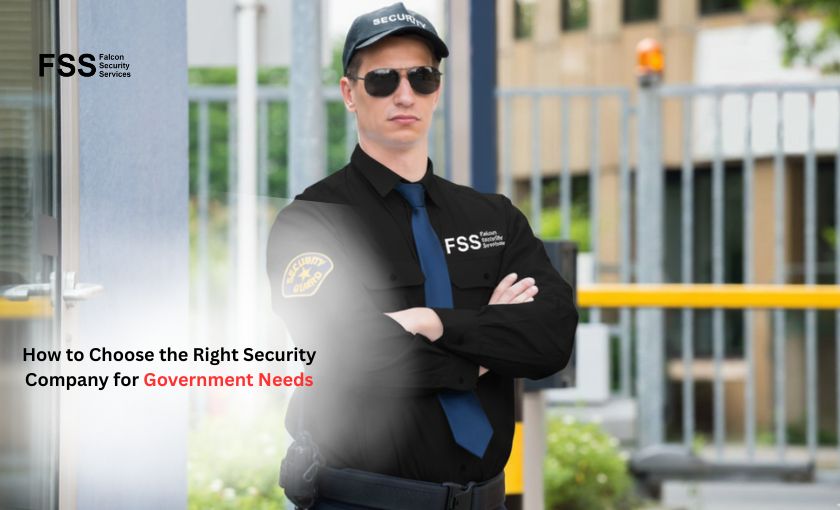
Government facilities in Canada are vital for public services, administration, and sensitive operations. Protecting these buildings is not just about hiring guards; it’s about ensuring safety, compliance, and operational efficiency.
Choosing the right security company ensures staff, visitors, and assets remain protected while operations continue smoothly. Falcon Security Services provides trained personnel, advanced technology, and tailored strategies specifically for government needs.
Here’s a detailed guide to help decision-makers select the right provider.
Understand Your Security Requirements
- Identify the building type: city hall, court, administrative office, or library.
- Consider visitor numbers, staff volume, and areas requiring restricted access.
- Assess risks: vandalism, theft, cyber threats, civil unrest, or protests.
- Determine if 24/7 coverage or specialized event security is necessary.
- Identify environmental and operational challenges such as large perimeters or industrial equipment.
Why it matters: Knowing your exact needs prevents overpaying for unnecessary services or underestimating protection requirements.
Verify Licensing and Accreditation
- Ensure the security company is fully licensed in Canada.
- Check approval from the Ministry of Community Safety & Correctional Services.
- Confirm compliance with the Private Security and Investigative Services Act.
- Ask about additional certifications or memberships in professional security associations.
Benefit: Licensed and accredited providers demonstrate professionalism, reliability, and accountability.
Look for Experience With Government Facilities
- Ask for examples of previous work with city halls, municipal offices, or federal buildings.
- Verify experience managing complex scenarios: protests, VIP visits, sensitive operations.
- Check knowledge of public-sector regulations and protocols.
- Experienced providers can anticipate risks and design effective security strategies.
Insight: A company familiar with government needs will be faster, smarter, and more reliable in emergencies.
Evaluate Training and Qualifications
- Guards should have specialized training in emergency response, conflict resolution, and surveillance.
- Ensure familiarity with public-sector regulations and compliance standards.
- Confirm continuous training programs for security personnel.
- Look for guards trained in advanced protocols such as bomb threat response, access control, and crowd management.
Impact: Well-trained guards reduce risks, prevent incidents, and respond effectively when emergencies occur.
Assess Technology Integration
- Modern government security relies on a mix of human and technological resources.
- Check for CCTV, alarm systems, motion sensors, and digital monitoring.
- Evaluate how guards interact with technology for real-time threat detection.
- Consider integration with access control systems and visitor management platforms.
Outcome: Combining technology with trained guards ensures comprehensive monitoring and rapid response.
Confirm 24/7 Coverage
- Many government facilities operate extended hours or host critical events.
- Ensure the company provides flexible shifts, night coverage, and weekend support.
- Confirm availability for emergency call-outs and on-demand security services.
Why it matters: Continuous protection minimizes vulnerabilities, deters threats, and maintains safety at all times.
Request Customized Security Plans
- Avoid one-size-fits-all solutions.
- Ask for a security assessment and tailored strategy for your facility.
- Consider patrol routes, surveillance coverage, access control measures, and emergency protocols.
- Include provisions for high-risk scenarios, VIP visits, or public demonstrations.
Benefit: Tailored security ensures resources are deployed efficiently and effectively for your facility’s unique needs.
Examine Emergency Response Protocols
- Ask how they handle intrusions, medical emergencies, fires, or civil disturbances.
- Confirm coordination with law enforcement, fire departments, and medical responders.
- Check response times, reporting procedures, and incident documentation processes.
Result: A clear emergency plan with trained personnel prevents chaos, limits damage, and protects lives.
Check References and Track Record
- Request references from similar government facilities.
- Ask about incident prevention, response efficiency, and client satisfaction.
- Look for documented case studies or testimonials.
- Evaluate reliability, professionalism, and ability to handle complex scenarios.
Reason: Proven performance reduces risk and demonstrates the company’s capacity to handle real-world threats.
Ensure Regulatory and Compliance Knowledge
- Government buildings must follow strict regulations regarding safety, privacy, and operations.
- The company should understand federal and provincial laws.
- Confirm they maintain proper documentation to support compliance.
- Ask if they provide training updates to adapt to new regulatory changes.
Value: Compliance protects your facility from legal consequences and ensures public trust.
Collaboration With Law Enforcement
- Security companies should coordinate closely with local police, fire departments, and emergency services.
- Ask about experience with joint operations, threat reporting, and emergency communication.
- Evaluate their ability to provide timely updates and facilitate rapid response.
Benefit: Smooth collaboration ensures that incidents are handled professionally and efficiently.
Consider Cost-Effectiveness
- Focus on value, not just price.
- Evaluate services included: trained personnel, technology, emergency protocols, 24/7 coverage.
- Understand that underinvestment in security can lead to costly incidents and liability.
Advice: Prioritize providers who balance quality, reliability, and cost-effectiveness for long-term protection.
Key Advantages of a Professional Security Provider
- Protects staff, visitors, and sensitive information.
- Reduces liability and insurance risks.
- Enhances public confidence in government services.
- Ensures rapid emergency response and threat mitigation.
- Integrates technology and trained personnel for maximum efficiency.
Conclusion
Choosing the right security company for government needs is critical for safety, compliance, and operational efficiency. Consider licensing, experience, training, technology, emergency preparedness, and tailored strategies.
Falcon Security Services offers trained personnel, advanced technology, 24/7 coverage, and customized plans designed for government facilities across Canada. Partnering with a qualified security provider ensures staff, visitors, and assets remain protected while maintaining public trust and uninterrupted operations.
Frequently Asked Questions
- Why is government experience important when hiring a security company?
Experience ensures they understand regulations, risks, and operational challenges specific to public facilities. - How can I verify a company’s licensing?
Check approvals from Canadian authorities such as the Ministry of Community Safety & Correctional Services. - What specialized training should guards have?
Emergency response, conflict resolution, surveillance monitoring, and compliance with public-sector regulations. - Why is 24/7 coverage critical?
Emergencies and security incidents can occur anytime, requiring continuous protection. - How does technology improve security in government buildings?
CCTV, alarms, access control, and monitoring systems enhance detection, response, and documentation. - Should security plans be customized for each building?
Yes, to address specific risks, layouts, and operational requirements efficiently. - How do security companies coordinate with law enforcement?
They provide timely updates, facilitate interventions, and work alongside authorities during emergencies. - Why check references and track records?
References confirm reliability, professionalism, and proven results in similar government facilities. - How can guards prevent insider threats?
Through monitoring, access control, and identifying unusual or suspicious behavior. - Why choose Falcon Security for government facilities?
They provide trained personnel, advanced technology, customized strategies, 24/7 coverage, and compliance assurance for comprehensive protection.