
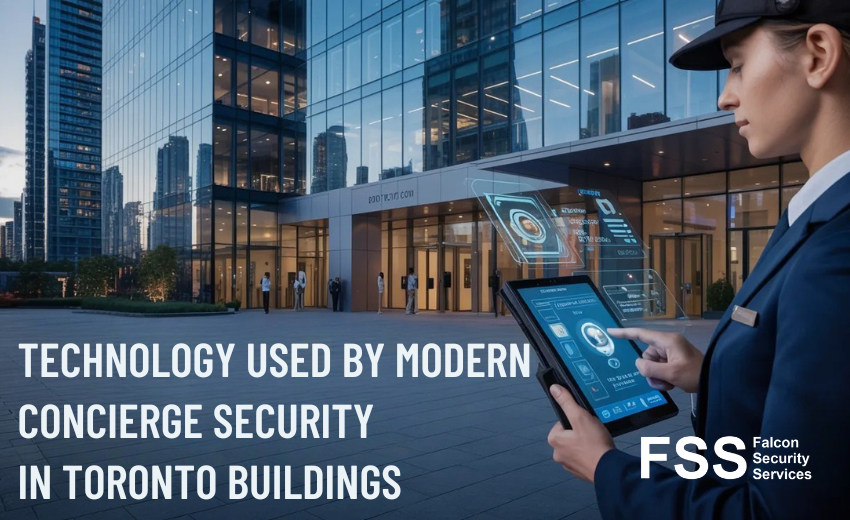
Today’s concierge security in Toronto buildings is far more advanced than standing behind a desk and checking IDs. Modern buildings rely on technology to supplement and strengthen human security teams. These systems improve safety, make guards more effective, and help property managers monitor activity in real time while protecting residents.
The right technology supports concierge guards to deter unauthorized access, provide rapid emergency response, document incidents accurately, and streamline daily operations. Smart security systems are now essential components of modern building safety strategies in high rise condos, commercial towers, and mixed use properties across the city.
This article outlines the key technology used by concierge security teams in Toronto buildings. It explains how each tool works, why it matters for safety, and what value it provides to residents and property managers.
Why Technology Matters for Concierge Security
Buildings in Toronto face complex security needs. Residents, tenants, and guests expect protection without disruption to their daily lives. High traffic in lobbies, frequent package deliveries, and mixed resident populations create challenges that cannot be managed by guards alone.
Technology supports guards in several ways:
- Extends visibility beyond the front desk
- Speeds up incident detection and response
- Reduces false alarms and unnecessary interruptions
- Provides reliable documentation for follow up
- Enhances accountability for residents and security teams
When used properly, security technology increases efficiency and improves overall safety for everyone in the building.
Key Technology Used by Concierge Security
Modern concierge security teams in Toronto buildings use a range of technology solutions to stay informed and act quickly. These include:
- CCTV surveillance systems
- Access control systems
- Visitor management platforms
- Intercom and communication tools
- Alarm monitoring systems
- Mobile guard tools
- Data analytics and reporting software
- Emergency communication networks
Let us explore each technology in more detail.
CCTV Surveillance Systems
Closed Circuit Television or CCTV is a foundational security tool for modern concierge teams. Cameras positioned throughout common areas provide continuous monitoring of building activity. Typical locations include:
- Lobbies and reception areas
- Parking garages
- Elevators and hallways
- Service entrances and loading docks
- Amenity spaces
How CCTV Helps
CCTV allows guards to:
- Monitor activity in real time
- Review footage after incidents
- Detect suspicious behavior early
- Support investigations with recorded evidence
Many modern systems now include features such as motion detection, night vision, and remote access for supervisors. Some even use artificial intelligence to recognize unusual patterns or alert guards to motion during off hours.
Access Control Systems
Maintaining secure access is a top priority for concierge security teams. Access control systems help manage who enters the building and when. They replace traditional keys with digital credentials.
Types of Access Control Tools
Common access control technology includes:
- Key fobs or RFID cards
- Mobile credential apps
- Electronic keypad entry
- Biometric readers such as fingerprint or facial recognition
Access control improves safety by restricting unauthorized entry. Guards use these systems to verify access, prevent tailgating, and maintain logs of entry activity.
Why Access Control Matters
- Reduces the risk of theft and vandalism
- Helps track who is in the building at any time
- Supports emergency procedures by identifying occupants quickly
Better access control reduces security gaps and gives residents peace of mind.
Visitor Management Platforms
Visitor management platforms make checking in guests, delivery personnel, and service providers more efficient and secure. These systems replace paper logs with digital records.
Key Features
Modern visitor systems provide:
- Pre registration for guests
- QR code check in
- Real time notifications to residents when guests arrive
- Photo capture of visitors for identity verification
- Digital visitor logs for audit trails
Security guards use these tools to ensure that only authorized visitors enter and that residents are aware of who is in the building.
Intercom and Communication Tools
Clear communication is essential for both daily operations and emergency response. Concierge security teams use intercom systems to communicate with residents, delivery personnel, and emergency responders.
Types of Communication Technology
- Audio intercom systems
- Video intercom systems
- Property management communication platforms
- Mobile alerts and text messaging tools
These systems ensure guards can confirm visitor identities and provide residents with updates when needed. In emergency situations the ability to communicate quickly and accurately is critical.
Alarm Monitoring Systems
Alarm systems are another technology layer used by concierge security in Toronto buildings. These systems monitor doors, windows, and critical zones for unauthorized access or safety issues.
Common Alarm Technologies
- Door contact sensors
- Window sensors
- Motion sensors
- Panic buttons
- Fire and smoke alarms
Alarms are often integrated with CCTV and access control so guards receive real time notifications when a sensor is triggered. Quick response helps minimize risk and keep residents safe.
Mobile Guard Tools
Mobile technology is transforming how security teams perform their duties. Guards use tablets, smartphones, and specialized apps to access systems on the go.
Capabilities of Mobile Tools
Mobile guard technology offers:
- Real time incident reporting
- Access to CCTV feeds
- Digital checklists and patrol tracking
- Immediate alert notifications
- Communication with supervisors and emergency services
These tools help concierge guards respond faster and record activity more accurately. Mobile solutions reduce paperwork and ensure important information is logged properly.
Data Analytics and Reporting Software
Modern security systems produce a lot of data. From CCTV logs to access control entries and incident reports. Data analytics and reporting software help teams make sense of this information.
Benefits of Security Analytics
With analytics, security teams can:
- Identify patterns in incident frequency
- Spot recurring access control issues
- Track guard response times
- Provide management with performance reports
Enhanced reporting improves decision making and helps property managers justify security budgets with concrete data.
Emergency Communication Networks
In emergency situations guards rely on specialized communication technology to coordinate with first responders and residents. These may include:
- Mass notification systems for residents
- Dedicated radios for guard teams
- Direct links to fire and police dispatch
- Digital alert systems for severe weather or evacuation procedures
Integration of these systems ensures everyone receives consistent and reliable information when it matters most.
Integration of Systems for Better Results
One of the most important developments in modern building security is integration. Stand alone systems are helpful. However when CCTV, access control, alarm monitoring, visitor platforms, and communication tools work together security teams can act faster and more accurately.
For example:
- An alarm triggered at a restricted door can automatically bring up CCTV footage for guards to review
- A visitor check in can update access logs and notify residents in real time
- Emergency alerts can activate both intercom messages and mobile notifications
Integrated systems reduce response times and enhance overall safety outcomes.
Benefits of Technology for Toronto Buildings
Investing in modern security technology brings direct benefits to buildings, residents, and property managers:
- Improved safety outcomes because guards detect and respond faster
- Reduced false alarms through analytics and smarter sensors
- Better documentation for incident reviews and liability protection
- Enhanced resident satisfaction because issues are handled efficiently
- Operational efficiency by reducing manual tasks for guards and management
Technology does not replace concierge guards. Instead it amplifies their effectiveness and allows them to focus on tasks that require human judgement.
Choosing the Right Technology with Professional Guidance
Selecting and implementing security technology can be complex. It requires understanding building needs, resident patterns, building layout, and risk factors. A professional security provider like Falcon Security Services helps with:
- Technology assessments to identify gaps and opportunities
- Recommendations for access control and surveillance solutions
- Integration planning for CCTV, alarms, and mobile tools
- Training for guards on new systems
- Ongoing monitoring support and maintenance
Working with a licensed provider ensures that technology investments align with safety goals and compliance standards in Ontario.
Security Technology Trends for the Future
Security technology continues to evolve. Key trends for Toronto buildings include:
- AI assisted monitoring for faster threat recognition
- Cloud based systems for remote access and management
- Biometric security expansion for contactless access
- Mobile resident engagement platforms for real time alerts
- Predictive analytics to prevent issues before they happen
These trends will continue to enhance the capabilities of concierge security teams and improve building safety.
Key Takeaway
Modern concierge security in Toronto buildings relies on a suite of integrated technology tools including CCTV, access control, visitor management platforms, alarm systems, mobile guard tools, and advanced communication networks. These systems support licensed guards to provide faster response, better documentation, improved safety, and enhanced resident satisfaction. Technology amplifies human expertise without replacing the professional presence that residents depend on.
FAQs
Q1. What technology do modern concierge guards use in Toronto?
Ans. They use CCTV, access control, visitor management, mobile tools, alarms, and analytics software.
Q2. Does technology replace concierge guards?
Ans. No, it enhances their ability to monitor, respond, and document effectively.
Q3. Can guards access systems from mobile devices?
Ans. Yes, mobile guard tools allow real time access to feeds, alerts, and reports.
Q4. Is CCTV enough for modern security?
Ans. CCTV is foundational yet most buildings need access control and visitor systems too.
Q5. How does access control improve safety?
Ans. It restricts unauthorized entry and helps track who is in the building.
Q6. What is visitor management software?
Ans. A digital system that logs guests, sends alerts, and captures visitor credentials.
Q7. Are alarm systems integrated with other tools?
Ans. Yes, modern alarm systems often integrate with CCTV and guard dashboards.
Q8. How do analytics help security teams?
Ans. Analytics reveal patterns that improve planning and resource allocation.
Q9. What emergency technologies do buildings use?
Ans. Mass notification systems, dedicated radios, and digital alert platforms.
Q10. Why work with a professional security provider?
Ans. They ensure technology choices match building needs, integrate systems, and provide ongoing support.