
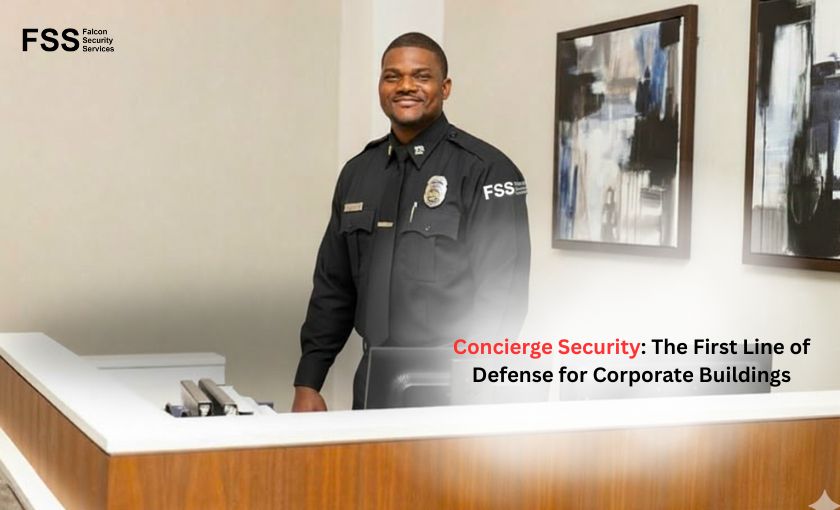
Corporate buildings are busy, high-traffic spaces where employees, visitors, and vendors move throughout the day. This creates a strong need for security that is both protective and professional.
Concierge security combines traditional security duties with front-desk hospitality and visitor management, ensuring safety while maintaining a welcoming environment. Unlike standard guards, concierge officers act as the first point of contact while handling access control and day-to-day building support.
In this guide, you’ll learn what concierge security is, how it works, its key responsibilities, benefits, and why it has become essential for modern corporate buildings.
What Is Concierge Security?
Concierge security is a hybrid security service that combines professional building protection with front-desk customer service. It is designed to manage both safety and visitor experience in corporate and commercial environments.
A concierge security officer is responsible for:
- Monitoring building entry points
- Verifying and registering visitors
- Managing access control systems
- Assisting employees, tenants, and guests
- Responding to security incidents and emergencies
Unlike standard security guards, concierge security officers maintain direct interaction with people throughout the day while ensuring strict adherence to building security protocols.
This dual-function role makes concierge security ideal for corporate offices, commercial towers, healthcare facilities, and multi-tenant buildings where professionalism and safety must work together.
Why Concierge Security Is Important for Modern Buildings
As workplaces become more complex, buildings face challenges such as unauthorized access, visitor mismanagement, and increased safety expectations. Concierge security helps solve these issues by introducing structured entry control and human-centered service.
Key reasons it is essential today:
- Rising foot traffic in corporate environments
- Increased need for workplace safety compliance
- Demand for professional first impressions
- Growth of multi-tenant office spaces
- Higher expectations for visitor experience
By combining hospitality with protection, concierge security strengthens both operational control and brand image.
What Does a Concierge Security Officer Do?
A concierge security officer performs multiple duties that support both security operations and customer service experience.
1. Visitor Management
Visitor management is one of the most important responsibilities. Officers ensure every guest is properly:
- Registered
- Verified
- Issued identification passes
- Directed to the correct area
This prevents unauthorized access while maintaining a smooth entry process.
2. Access Control
Access control ensures only authorized individuals can enter restricted areas. Officers:
- Check credentials
- Monitor entry systems
- Issue access cards
- Enforce building policies
This reduces security risks and protects sensitive areas within the building.
3. Surveillance Monitoring
Concierge security personnel monitor CCTV systems and security dashboards to detect unusual activity. Early identification of risks helps prevent incidents before they escalate.
4. Emergency Response
In emergencies such as fire alarms, medical situations, or security threats, concierge officers:
- Follow emergency procedures
- Coordinate with first responders
- Assist in evacuation
- Provide immediate on-site support
5. Tenant and Visitor Assistance
They also support daily operations by:
- Helping visitors with directions
- Assisting tenants with requests
- Managing deliveries and access schedules
- Providing general information
This makes them an essential part of building operations, not just security.
How Concierge Security Works (Step-by-Step Process)
Concierge security follows a structured workflow to maintain safety and efficiency:
- Visitor arrives at the reception area
- Identity and appointment details are verified
- Visitor is registered in the system
- Access permissions are granted
- Visitor is guided to the correct destination
- Movement is monitored within the building
- Departure is recorded and logged
This process ensures accountability, improves transparency, and strengthens access control across the facility.
Signs Your Building Needs Concierge Security
Many organizations invest in security only after problems occur. However, certain signs indicate the need for concierge security services:
- High daily visitor traffic
- Frequent contractor or vendor access
- Multiple tenants or departments
- Inefficient front-desk management
- Security concerns or incidents
- Lack of entry tracking systems
- Poor visitor experience
- Limited reception oversight
If these challenges exist, concierge security can significantly improve both safety and operational performance.
Key Benefits of Concierge Security Services
Improved Workplace Safety
A visible security presence helps deter unauthorized access and reduces potential risks within the building.
Enhanced Visitor Experience
Concierge security officers provide a welcoming environment while maintaining strict security procedures, improving first impressions.
Stronger Access Control
Visitor verification and entry monitoring reduce security gaps and protect sensitive areas.
Faster Emergency Response
Trained officers respond quickly to emergencies, minimizing damage and ensuring occupant safety.
Professional Corporate Image
Concierge officers represent the building’s front line, contributing to a polished and professional reputation.
Higher Tenant Satisfaction
Secure and well-managed buildings increase tenant trust and long-term satisfaction.
Concierge Security vs Traditional Security Guards
While both roles contribute to safety, their approach is different:
| Aspect | Concierge Security | Traditional Security Guards |
| Approach | Combines hospitality with security | Focuses mainly on security and enforcement |
| Visitor Interaction | High, includes greetings and assistance | Limited interaction |
| Front Desk Role | Provides reception and administrative support | Rarely involved in front desk tasks |
| Primary Focus | Safety + customer experience | Surveillance, patrol, and monitoring |
| Work Style | Customer-facing and service-oriented | Behind-the-scenes security operations |
For corporate buildings, concierge security offers a more comprehensive solution by balancing protection with professionalism.
How Much Does Concierge Security Cost?
The cost of concierge security services depends on several key factors:
- Building size and layout
- Number of entry points
- Number of security officers required
- Working hours (day/night coverage)
- Technology integration (access systems, CCTV, software)
- Risk level and operational complexity
On average, pricing is structured based on hourly or monthly staffing models. While it may appear as an operational expense, it often reduces long-term risks, improves efficiency, and enhances tenant retention.
Industries That Use Concierge Security
Concierge security is widely used across multiple sectors:
Corporate Offices
Used to manage employees, visitors, and business operations.
Commercial Office Towers
Essential for multi-tenant buildings with high daily traffic.
Financial Institutions
Helps protect sensitive data and control access.
Healthcare Facilities
Supports patient flow, visitor control, and emergency readiness.
Government Buildings
Ensures strict access control and public safety.
Residential High-Rise Properties
Enhances resident safety and provides front-desk assistance.
Skills of a Professional Concierge Security Officer
A highly trained concierge security officer typically has:
- Strong communication and interpersonal skills
- Conflict resolution abilities
- Emergency response training
- Knowledge of access control systems
- CCTV monitoring expertise
- Professional customer service mindset
These skills ensure both safety enforcement and high-quality visitor interaction.
The Future of Concierge Security
Concierge security is rapidly evolving with technology integration. Modern systems now include:
- AI-powered surveillance
- Smart access control systems
- Digital visitor management platforms
- Real-time reporting tools
- Remote monitoring capabilities
However, human presence remains essential. Technology enhances efficiency, but concierge security officers remain critical for judgment, communication, and emergency handling.
The future lies in a hybrid model where human expertise and smart systems work together.
Why Organizations Trust Falcon Security
Organizations require security partners who can balance safety, professionalism, and operational efficiency. Falcon Security delivers this through trained personnel and customized security solutions designed for modern corporate environments.
Falcon Security focuses on:
- Professional concierge security officers
- Customized security planning for each building
- Visitor management and access control systems
- Emergency response readiness
- Tenant satisfaction and corporate professionalism
By combining skilled personnel with structured security processes, Falcon Security helps organizations maintain safer and more efficient environments across corporate offices, commercial towers, healthcare facilities, and multi-tenant properties.
Conclusion
Concierge security has become an essential part of modern building management. It goes beyond traditional guarding by combining access control, visitor management, customer service, and emergency response into a single professional role.
For corporate buildings, this approach delivers three major advantages: improved safety, better visitor experience, and stronger operational efficiency.
As organizations continue to prioritize both security and service quality, concierge security will remain a key component of future-ready building management systems. Investing in it today means creating a safer, more professional, and more efficient environment for everyone who enters the building.
Frequently Asked Questions
1. What is concierge security?
Concierge security combines security services with customer support to manage visitors, control access, and maintain a safe environment.
2. What does a concierge security officer do?
They manage visitors, monitor access points, assist tenants, respond to emergencies, and support building operations.
3. How is concierge security different from a security guard?
Concierge security combines customer service and security responsibilities, while traditional security guards focus primarily on protection and surveillance.
4. Why do corporate buildings need concierge security?
It improves visitor management, access control, workplace safety, and emergency response.
5. Can concierge security officers manage visitors?
Yes. Visitor registration, ID verification, and access authorization are key responsibilities.
6. Does concierge security improve workplace safety?
Yes. Concierge security officers help reduce risks, improve access control, and respond quickly to incidents.
7. Are concierge security officers trained for emergencies?
Yes. They receive training in emergency response, evacuation procedures, and incident management.
8. What industries use concierge security services?
Corporate offices, commercial towers, healthcare facilities, financial institutions, government buildings, and residential properties.
9. How much do concierge security services cost?
Costs vary depending on property size, coverage requirements, staffing levels, and security needs.
10. Why choose Falcon Security for concierge security?
Falcon Security provides trained professionals, customized security solutions, modern technology integration, and reliable support across Canada.